Safe Containment for Liquid Chemicals
Chemical Storage Tanks in Scurry for Operations Needing Code-Compliant Liquid Containment
Oliver Industrial Sales provides chemical storage tanks to agricultural, industrial, and water treatment operations in Scurry that require safe, code-compliant containment for acids, bases, fertilizers, and process solutions. When you store chemicals in undersized or incompatible containers, you risk spills, vapor release, and regulatory violations that interrupt operations and create liability. These tanks are engineered with material-specific construction and secondary containment options that meet environmental and workplace safety standards.
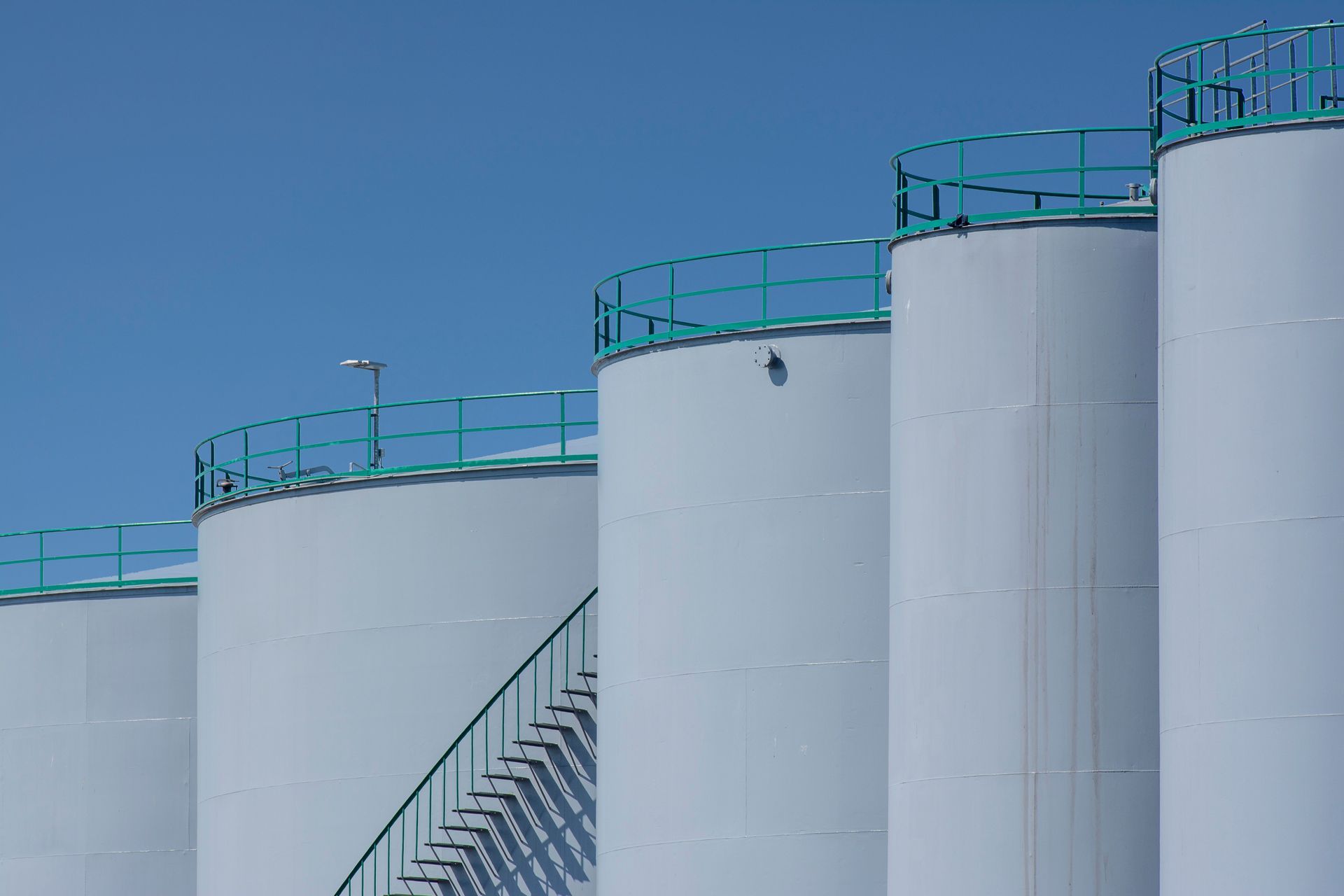
The tanks come in vertical and horizontal configurations ranging from a few hundred gallons to several thousand gallons, built from materials including high-density polyethylene, fiberglass-reinforced plastic, and steel with protective linings. You choose a tank based on the chemical you store, the volume your operation requires, and whether the tank sits indoors or outdoors. Each tank includes fittings for fill lines, vent ports, and discharge connections that integrate with your existing transfer pumps and piping.
Oliver Industrial Sales can help you confirm material compatibility and size requirements for your chemical storage needs in Scurry.
What Goes Into Selecting the Right Tank
You start by identifying the specific gravity, pH, and temperature range of the chemical you plan to store, then match those properties to a tank material that resists corrosion and maintains structural integrity over time. Polyethylene works well for many acids and bases but may not suit high-temperature applications, while fiberglass offers broader chemical resistance and can handle elevated temperatures without deforming. Steel tanks with internal coatings or linings provide the highest strength for large volumes but require careful matching of coating chemistry to the stored liquid.
After installation, you see consistent liquid levels without leaks, clear sight gauges or level indicators that show inventory at a glance, and secure manway covers or inspection ports that allow safe access for cleaning. The tank sits on a stable pad or support structure that prevents settling or tipping, and secondary containment berms or double-wall designs capture spills before they reach soil or stormwater systems.
Tanks designed for outdoor use include ultraviolet stabilizers that prevent plastic degradation from sun exposure, and vent caps that allow pressure equalization while keeping debris and rainwater out. Indoor tanks may include vapor recovery fittings or fume hoods if the stored chemical releases volatile compounds. These tanks do not include pumps or transfer systems, which you purchase separately based on flow rate and piping layout.
Answers to Storage Tank Questions
Buyers often ask about sizing, material durability, and compliance with local regulations when planning new chemical storage installations.
Oliver Industrial Sales works with operations in Scurry to specify tank materials, sizes, and accessories that match chemical properties and site constraints. Contact us to review your storage requirements and confirm product availability.