High-Pressure Pumping Without Cavitation Risk
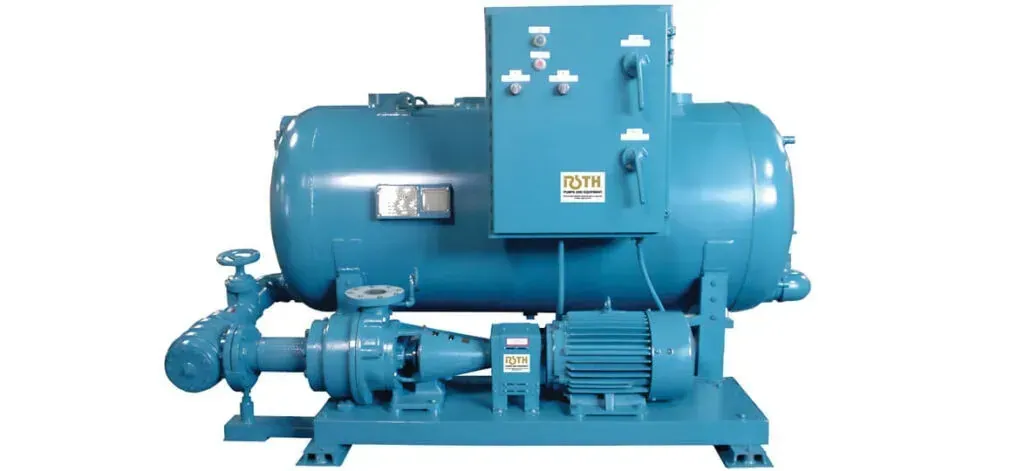
Oliver Industrial Sales provides ROTH regenerative turbine pumps for condensate and liquefied gas applications in Mesquite, Texas.
When you collect condensate from steam systems or move liquefied gases near their boiling points, standard centrifugal pumps cavitate and fail within weeks. ROTH regenerative turbine pumps operate at high discharge pressures while tolerating extremely low net positive suction head, which means they pull fluid reliably even when inlet conditions barely exceed vapor pressure. Facilities across Mesquite depend on these pumps to keep boiler feed lines full and condensate return systems running without interruption.
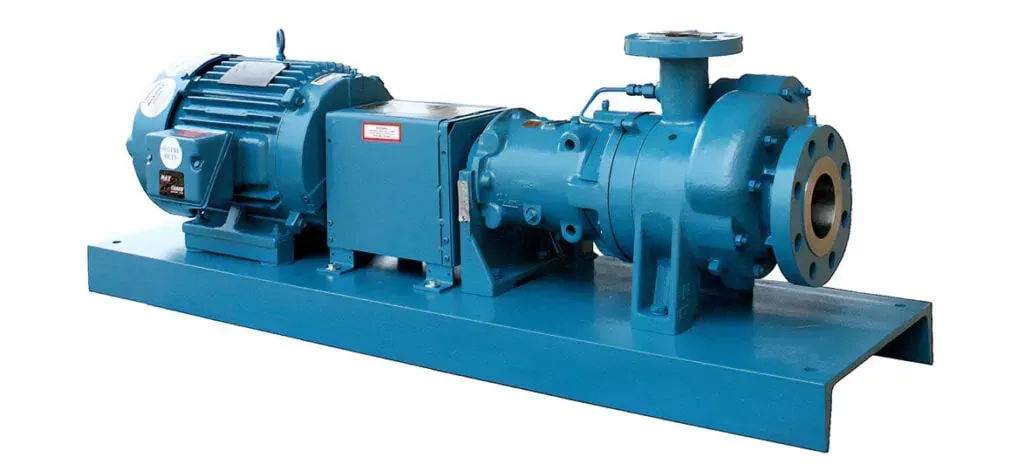
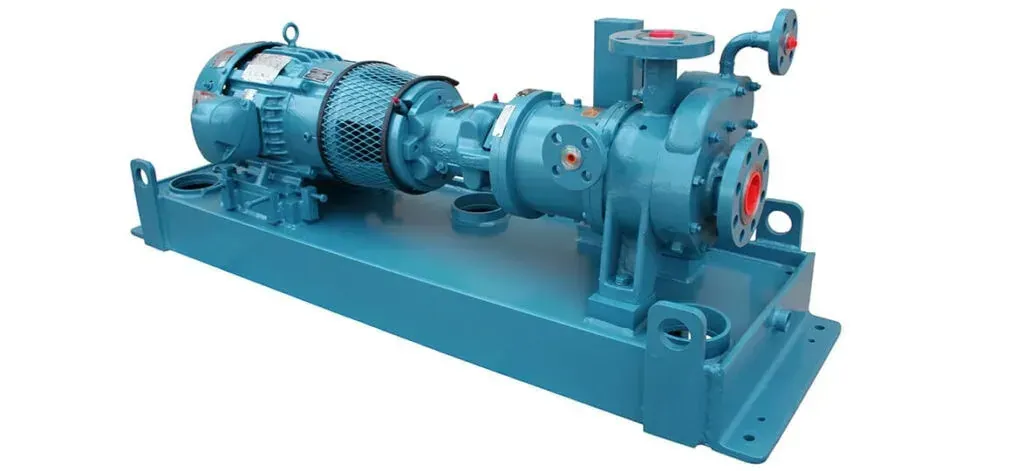
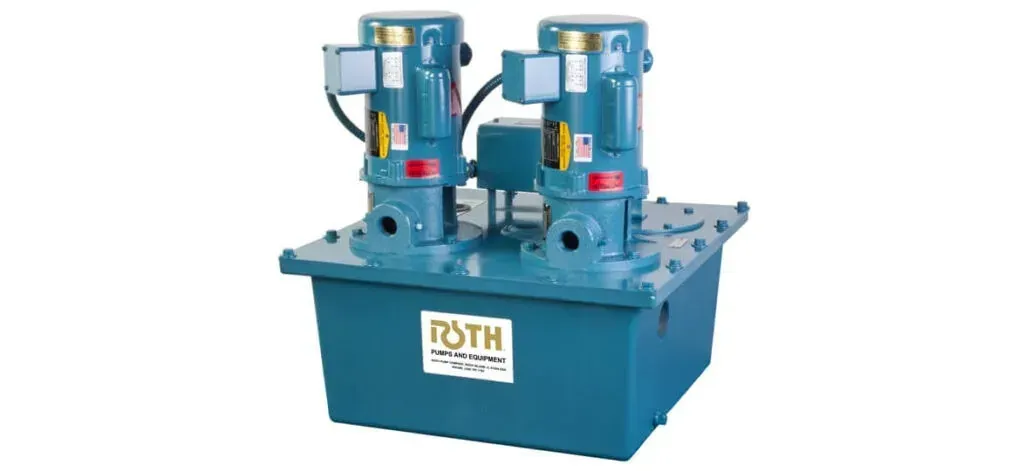
Oliver Industrial Sales supplies ROTH low NPSH regenerative turbine pumps designed for continuous operation in condensate collection systems, transfer stations, and boiler feed applications. These pumps fit into tight spaces found in older industrial buildings throughout the Dallas–Fort Worth corridor, where retrofit installations often require compact footprints and flexible mounting. You select models based on flow rate, discharge pressure, fluid temperature, and available suction head, ensuring the pump matches your system without over-designing or underperforming.
Contact us to review your pressure, temperature, and flow requirements for condensate or boiler systems.

How regenerative turbine design handles low suction conditions
You install a ROTH pump by positioning it close to the condensate receiver or liquefied gas storage vessel, minimizing suction line length and elevation changes that would further reduce available NPSH. In Mesquite, installations often involve replacing failed centrifugal pumps with ROTH units that tolerate the same challenging inlet conditions without modification to existing piping. Pumps are mounted horizontally or vertically depending on space constraints and maintenance access.
Once running, you notice stable discharge pressure even when condensate temperature rises or when liquid level in the receiver drops during peak demand. Cavitation noise disappears, and seal life extends because the impeller design avoids the vapor collapse that damages conventional pumps. Your maintenance team spends less time replacing bearings and seals, and boiler feed becomes a predictable part of daily operations rather than a recurring failure point.
ROTH pumps handle hot water, condensate, and light hydrocarbons across a wide viscosity range. They are commonly specified for power plants, refineries, and manufacturing facilities where process uptime depends on moving fluids that challenge typical pump designs. The compact casing and simple bearing arrangement reduce installation footprint and simplify spare parts stocking for facilities managing multiple pump types.
It helps to know what makes these pumps different
If you have dealt with cavitation damage or frequent pump failures in condensate service, you probably want to understand how ROTH pumps avoid those issues and what limitations still apply.
Oliver Industrial Sales supports industrial operators across the DFW region who need pumps that perform in low-NPSH applications without compromising reliability. Get in touch to confirm whether a ROTH pump fits your condensate or liquefied gas system.